


- Sku: RC6
- Vendor: Eye Catching Coral
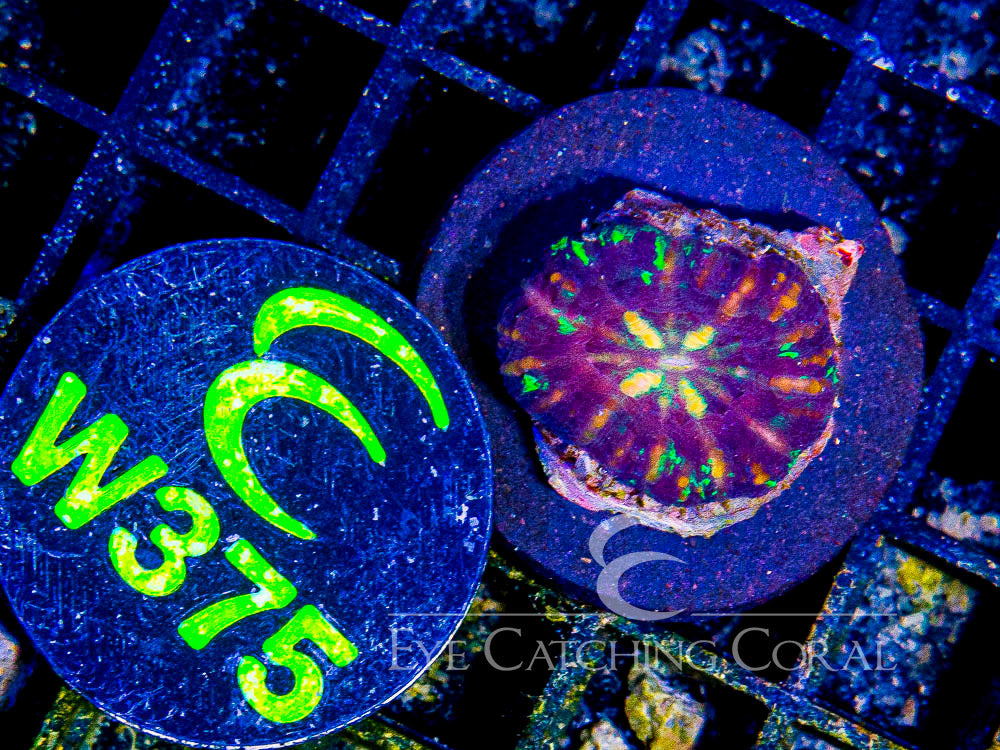
Aussie Mini Scoly (Scolymia sp.)
This Aussie Mini Scoly (Scolymia sp.) is a hand-selected, smaller-format Australian scolymia in an assorted mix of vivid reef colors. Aussie scolys are among the hardiest and most colorful large-polyp stony (LPS) corals in the hobby, and the mini size is a perfect, budget-friendly way to add a splash of color to a nano or mixed reef. Browse the rest of our live corals to build out your reef.
Assorted coloration. The photo is representative of this group. You will receive one hand-selected mini Aussie scoly, and the exact color and pattern will vary from the coral pictured. Coral color also shifts with lighting, so a piece looks different under blue or actinic light than under daylight-balanced bulbs.
Care Guide
Australian scolys (the trade name covers the single-mouth coral now classified as Homophyllia australis) are free-living LPS corals collected from deeper Australian reefs. They are forgiving and undemanding once your water chemistry is stable, which makes a mini scoly an excellent first LPS coral.
- Lighting: Low to moderate, roughly PAR 50 to 150. Too much light washes out the color and can bleach the coral, so a shaded spot keeps the pigments deep and saturated.
- Flow: Low to moderate. Gentle, indirect flow lets the fleshy polyp inflate fully. Strong direct flow keeps it from opening.
- Placement: Rest it flat on the sand bed or a low rock shelf. Scolys do not attach aggressively, so give the polyp open space to expand without touching neighbors.
- Feeding: It draws most of its energy from light through its zooxanthellae, but it responds well to spot-feeding meaty foods such as mysis, brine, or LPS pellets once or twice a week, usually after the feeding tentacles emerge in the evening.
Specifications
| Common Name | Aussie Mini Scoly, Doughnut Coral |
| Scientific Name | Scolymia sp. (Homophyllia australis) |
| Coral Type | LPS (large-polyp stony) |
| Color | Assorted (varies by specimen) |
| Care Level | Beginner to Intermediate |
| Lighting | Low to moderate (PAR 50 to 150) |
| Flow | Low to moderate |
| Placement | Sand bed or low rock |
| Temperament | Peaceful, give 2 to 4 in. spacing |
| Size | Mini specimen |
| Origin | Australia |
| Pickup | In-store pickup only |
Recommended Reef Parameters
- Temperature: 75 to 78°F
- Salinity: 1.024 to 1.026 (about 35 ppt)
- pH: 8.1 to 8.4
- Alkalinity: 8 to 11 dKH
- Calcium: 400 to 450 ppm, Magnesium: 1250 to 1350 ppm
- Nitrate and phosphate detectable but low; scolys color up best with a little nutrient in the water rather than ultra-low conditions.
Compatibility & Placement
Reef-safe and peaceful. Scolys pair well with other LPS, soft corals, and reef fish. Keep a few inches between the scoly and corals with long sweeper tentacles such as torches, hammers, and frogspawn, and from other scolys, since the fleshy tissue can be stung. Avoid housing it with fish that nip large-polyp corals, such as some angelfish and large pufferfish. Add a larger show piece like our A-Grade Red Scoly or Warpaint Scoly to start a scoly garden.
Recommended Foods & Supplies
- Vitalis LPS & Soft Coral Pellets for easy targeted spot-feeding
- Red Sea Reef Energy AB+ coral food and amino acids
- BRS Reef Chili broadcast coral food
- Browse all coral foods and saltwater supplies
FAQ
Will my coral look exactly like the photo?
Not exactly. This is an assorted listing, so the photo is a representative example. You will receive one hand-selected mini scoly, and its color and pattern will vary. You are welcome to pick your favorite from current stock when you come in.
Are Aussie scolys good for beginners?
They are one of the best LPS corals for newer reefers. They are hardy, slow-growing, and only need stable water and modest light and flow.
Why choose a mini?
Minis carry the same hardy care and vivid color as larger scolys at a friendlier price, and they fit perfectly in nano and mixed reefs.
Where should I place it?
On the sand bed or a low, flat rock with gentle flow and low to moderate light. Leave a few inches of open space around the polyp.
Have a question?
Aussie Mini Scoly (Scolymia sp.)
