


- Sku: FW1-F1059
- Vendor: Squeaky's Aquatics
Skunk Cory (Corydoras arcuatus)
The Skunk Cory (Corydoras arcuatus) is one of the cleanest looking corydoras in the hobby. A single black stripe arcs from the snout, up over the eye, and follows the curve of the back all the way to the tail, drawn on a pale silvery body with no other markings to compete with it. The arch is where the scientific name comes from, and it is what separates this one from the dozens of spotted and blotched corys on the market. Peaceful, busy, endlessly entertaining, and one of the easiest bottom dwellers you can keep. Browse the rest of our freshwater livestock and supplies to build the tank around it.
Care Guide
- Substrate is the one that matters: use sand or very smooth rounded gravel. Corys feed by pushing their barbels through the substrate, and sharp gravel wears those barbels down until they erode and get infected. A cory with stubs for whiskers cannot find food properly. Sand like Estes Natural Aquatic Sand or CaribSea Super Naturals Moonlight solves it permanently.
- Keep six or more. These are shoaling fish and a lone cory is a stressed cory. A group spends the day foraging together in a loose pack, which is the whole reason to own them. Six is the floor, and more is genuinely better.
- Tank size: 20 gallons for a group of six. Footprint matters more than height since they live on the bottom.
- Water parameters: 72 to 79°F, pH 6.0 to 7.5, hardness 2 to 15 dGH. They come from soft Amazon water but adapt well to average tap water.
- Feeding: omnivore, and they will not out-compete mid-water fish for flakes. Feed something that actually sinks, like Hikari Sinking Wafers, Repashy Bottom Scratcher, or Xtreme Wrigglers, ideally after lights out. Corys are not a cleanup crew and should not be left to live on leftovers.
- Lifespan: 5 years and up with decent care, which is a long commitment for a small fish.
Specifications
| Scientific name | Corydoras arcuatus |
| Common names | Skunk Cory, Arched Cory, Skunk Catfish |
| Family | Callichthyidae, the armored catfishes |
| Care level | Beginner |
| Temperament | Peaceful, shoaling |
| Minimum group | 6, and they are noticeably happier in larger groups |
| Max size | About 2 inches |
| Minimum tank | 20 gallons for a group |
| Temperature | 72 to 79°F |
| pH | 6.0 to 7.5 |
| Hardness | 2 to 15 dGH |
| Substrate | Sand or smooth rounded gravel, never sharp |
| Diet | Omnivore, needs sinking food |
| Lifespan | 5 years or more |
| Origin | Upper Amazon basin, Peru and Brazil |
| Pickup | In-store pickup at Squeaky's Aquatics |
Compatibility
A model community fish. They occupy the bottom and ignore everything above them, so they slot in under almost any peaceful mid-water stock: Ember Tetra, Brilliant Rummy Nose Tetra, Cherry Barb, and Zebra Danio are all easy matches. The Otocinclus Catfish works the glass and plants while the corys work the sand, so the two complement each other rather than compete.
Mixing cory species. Different corydoras will shoal loosely together, but they school properly with their own kind, so six Skunk Corys beats two of three species. If you want to expand the group later we also carry the Panda Cory and the Orange Laser Corydoras.
What to avoid. Large cichlids and anything big enough to try swallowing a 2 inch fish. Corys lock their pectoral and dorsal spines when threatened, which frequently kills both the cory and the fish that attempted it.
Recommended Foods & Supplies
- Hikari Sinking Wafers, the everyday staple
- Repashy Bottom Scratcher invertivore gel
- Xtreme Wrigglers Krill Sinking Sticks
- Estes Natural Aquatic Sand or CaribSea Super Naturals Moonlight Sand for safe barbels
FAQ
Why does it keep dashing to the surface?
Corydoras breathe air. They gulp a bubble at the surface and absorb oxygen through their intestine, which is a genuine adaptation to low oxygen water, not a sign of a problem. An occasional dart up and back is completely normal. Constant trips combined with gasping is a different story and means you should check your water.
Can I keep just two or three?
You can, but you should not. Corys are shoaling fish and small numbers leave them nervous and hidden. Six is where the behavior turns on and they start foraging out in the open all day.
Do they clean the tank for me?
No, and this is the most common misconception about corys. They will pick at whatever settles, but they need their own sinking food and will slowly starve on scraps. Treat them as a fish you feed, not a maintenance tool.
Will they eat my plants or shrimp?
Plants are completely safe. Adult shrimp are generally fine too, though a cory will happily eat shrimplets it finds while foraging, so a dedicated breeding tank is a different conversation.
Have a question?
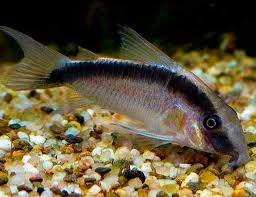
Skunk Cory (Corydoras arcuatus)
