


- Sku: 2562532
- Vendor: Squeaky's Aquatics
Ultra Grade Crocea Clam (Tridacna crocea)
This Ultra Grade Crocea Clam (Tridacna crocea) is a hand-selected showpiece with the dense, electric mantle coloration that puts crocea at the top of every clam keeper list. The smallest of the tridacnid clams, it stays compact while delivering huge color, and like all tridacnids it is photosynthetic, hosting symbiotic algae that let it feed on light. Each clam is a one-of-a-kind specimen, so the one you take home is exactly the animal you fall in love with at the shop.
Care Guide
Crocea clams demand strong, stable reef conditions and intense light, so they belong in an established tank with mature parameters. Give them high-output reef lighting and place them high on the rockwork; crocea bore into rock with a byssal foot, so seat them on a solid rock rather than bare sand. Keep calcium, alkalinity, and magnesium steady, since the clam pulls from them constantly to build its shell. Small clams also appreciate occasional phytoplankton. Inspect new clams for tiny pyramidellid snails near the byssal opening and remove any you find.
Specifications
| Scientific name | Tridacna crocea |
|---|---|
| Common names | Crocea Clam, Crocus Clam, Boring Clam |
| Care level | Intermediate to advanced |
| Lighting | High, strong reef light |
| Flow | Low to moderate |
| Placement | On solid rock, higher in the tank |
| Reef safe | Yes |
| Adult size | Up to about 6 in |
| Temperature | 76 to 82°F |
| Calcium / Alk / Mag | 420 to 440 ppm / 8 to 11 dKH / 1300 to 1400 ppm |
Compatibility
Crocea clams are completely reef safe and make a stunning centerpiece among corals. House them away from nippy or clam-curious fish such as large angels, some wrasses, and triggers, and keep aggressive corals from stinging the mantle. They pair beautifully with SPS and other high-light corals that enjoy the same bright, pristine conditions.
Recommended Supplies
- Keep calcium stable for shell growth with Aquaforest Ca Plus.
- Build a clam garden with our Ultra Grade Maxima Clam and Derasa Clam.
- Browse all of our Corals & Clams.
- Explore the full Saltwater collection for lighting, salt, and supplements.
Questions & Answers
How much light does a crocea clam need?
A lot. Crocea are the most light-hungry tridacnid clams and do best under strong reef LEDs or T5s, placed high in the tank. Insufficient light is the most common reason these clams decline.
Should I place it on sand or rock?
On rock. Crocea bore into hard substrate with their byssal foot, so a solid rock perch lets them anchor naturally. They are not meant to sit on bare sand like derasa or squamosa clams.
Do I need to feed it?
Adults get most of their energy from light through their symbiotic algae. Smaller clams benefit from occasional phytoplankton, and all clams do best with stable calcium, alkalinity, and magnesium for shell growth.
Is it reef safe?
Completely. Clams are filter feeders that actually help polish the water. Just keep them away from clam-nipping fish and stinging corals.
Have a question?
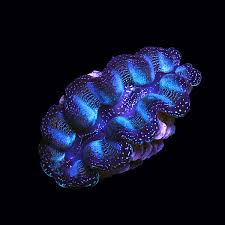
Ultra Grade Crocea Clam (Tridacna crocea)
